When jewellery retailers think about growing their business, marketing is often the first strategy that comes to mind. Advertising campaigns, social media promotions, influencer partnerships, and seasonal discounts all seem like logical ways to attract customers. But the world’s most successful jewellery stores follow a different approach — they invest in their physical presentation before spending heavily on promotion.
Why? Because marketing may bring customers to your door, but your store environment is what convinces them to step inside, stay longer, and ultimately make a purchase. At the heart of this environment lies a powerful yet often underestimated asset: your jewellery display.
Before you allocate budgets to ads or digital campaigns, it’s worth asking a critical question — what happens when those customers arrive? If your showcases fail to communicate luxury, trust, and professionalism within seconds, even the most expensive marketing effort can fall flat.
Let’s explore why great jewellery stores prioritize showcase design first — and how doing the same can transform your retail performance.
First Impressions Are Your Most Powerful Marketing Tool
Customers form opinions incredibly fast — often within the first five seconds of seeing a store. Long before they evaluate pricing or craftsmanship, they respond emotionally to what they see.
A thoughtfully designed showroom signals credibility. It tells customers your brand values quality and pays attention to detail. Conversely, outdated or cluttered displays create hesitation, even if the jewellery itself is exceptional.
This is why forward-thinking retailers partner with experts like Pacio Group to build visually compelling retail environments that function as silent marketing engines. Instead of relying solely on promotions to attract buyers, they create spaces that naturally generate curiosity and footfall.
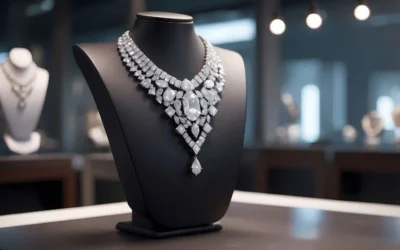
In many cases, a refined jewellery display stand becomes more persuasive than any advertisement — because customers trust what they experience firsthand.
Marketing Can Invite — But Design Converts
Imagine running a high-budget campaign that successfully drives shoppers into your store. The lighting is harsh, the showcases lack cohesion, and the layout feels crowded. What happens next? Customers browse briefly and leave.
Marketing created the opportunity, but the in-store experience failed to convert it.
Great retailers understand that store design is not decoration — it is conversion strategy. Every surface, material, and visual layer should guide customers smoothly from interest to desire.
Professional showcase design enhances:
- Product visibility
- Perceived value
- Emotional engagement
- Customer confidence
- Purchase readiness
By investing early in custom retail environments through Pacio’s jewellery display solutions, brands ensure their space is prepared to capitalize on the traffic marketing brings.
Perceived Value Begins With Presentation
Luxury retail operates largely on perception. Two identical diamond rings can evoke completely different reactions depending on how they are presented.
When jewellery is displayed within premium materials, balanced lighting, and intentional spacing, customers instinctively associate it with higher worth. This psychological response often increases price tolerance and reduces negotiation behavior.
On the other hand, if presentation feels inconsistent or generic, customers subconsciously question the product’s exclusivity.
Great stores don’t wait until sales decline to upgrade their showcases — they treat presentation as a revenue-driving investment from the beginning.
Retailers working with Pacio benefit from bespoke fabrication that aligns each design detail with brand identity, ensuring the environment elevates the product rather than competing with it.
Strong Store Design Reduces Marketing Pressure
One surprising advantage of investing in showcase design first is that it can actually lower your long-term marketing costs.
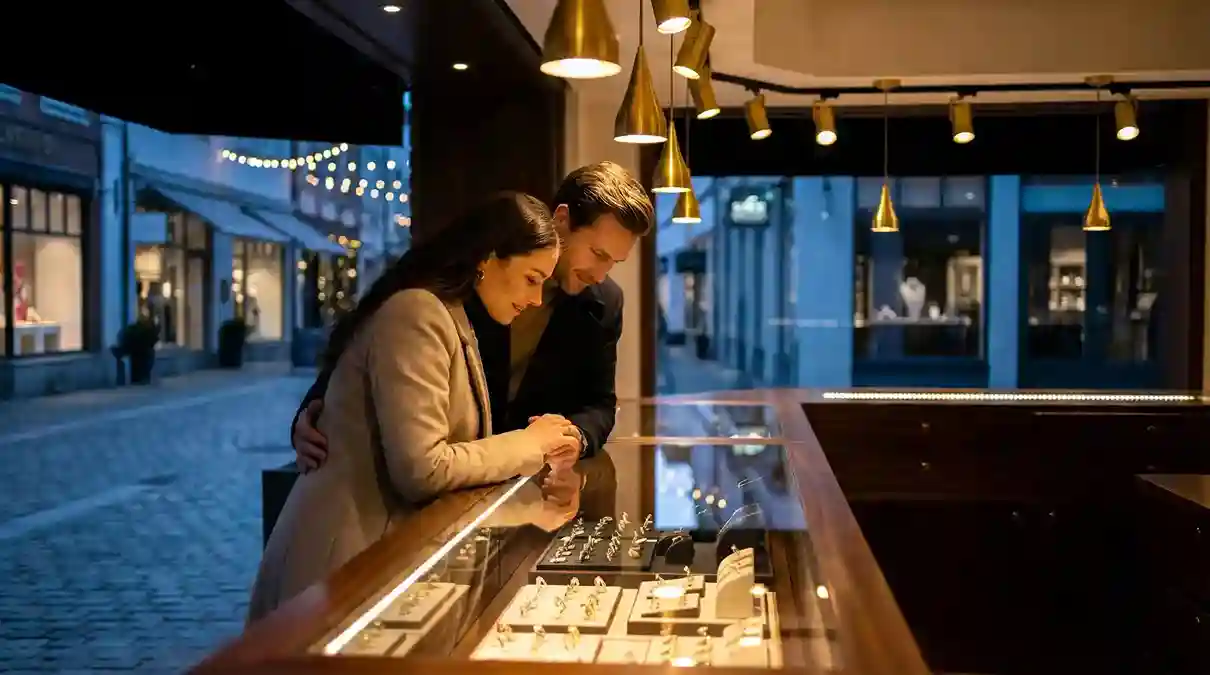
A visually striking store naturally attracts attention. Passersby pause, look in, and often enter without any paid advertising prompting them to do so. Over time, your storefront itself becomes a powerful promotional channel.
Beautiful retail spaces also encourage organic word-of-mouth. Customers are more likely to recommend a store that feels memorable and immersive.
Some even photograph elegant interiors and share them online — turning your physical space into unpaid digital exposure.
Through Pacio’s retail fit-out services, jewellery brands can create cohesive environments that function as both showroom and marketing platform simultaneously.
Consistency Builds Brand Trust
Marketing promises an experience. Your store must deliver it.
If your advertisements communicate luxury but your interior feels average, customers immediately sense the disconnect. Trust weakens — and once trust is compromised, conversion becomes significantly harder.
Great jewellery stores ensure visual consistency across every customer touchpoint, from window displays to counters. Showcase design plays a crucial role in reinforcing this harmony.
Materials, color palettes, textures, and spatial flow should all reflect your brand personality. Whether your identity is contemporary elegance or classic opulence, the environment must communicate it clearly.
Pacio specializes in translating brand narratives into physical retail design, helping businesses create spaces where marketing messages and in-store experiences align seamlessly.
Future-Proofing Your Business
Retail is evolving rapidly, and customer expectations continue to rise. Stores that delay investing in professional display design often find themselves needing costly renovations later just to stay competitive.
By prioritizing showcase strategy early, you build a flexible foundation that can adapt to seasonal themes, new collections, and changing consumer behavior.
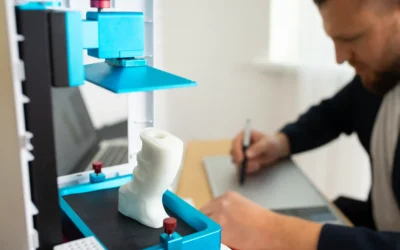
Modern fabrication techniques — including those offered through Pacio’s 3D printing services — allow for customizable, scalable display components that grow alongside your brand.
Rather than reacting to trends, you position your business to lead them.
Emotional Connection Drives Sales
Jewellery purchases are rarely impulsive in the traditional sense. They are emotional decisions tied to milestones, relationships, and personal achievements.
Your store environment should nurture these emotions.
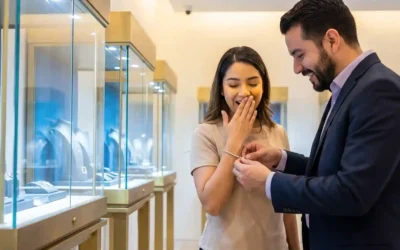
When customers step into a thoughtfully designed showroom, they feel a sense of occasion. The atmosphere slows them down, invites exploration, and makes the buying moment feel significant.
Great showcase design doesn’t just present products — it frames memories waiting to happen.
That emotional resonance is something no marketing campaign alone can achieve.
The Competitive Advantage You Can’t Ignore
In saturated retail markets, differentiation is everything. Many stores sell beautiful jewellery; fewer present it in a way that feels unforgettable.
When you invest in professional showcase design before ramping up marketing, you create an immediate competitive edge. Customers notice the difference — even if they can’t articulate why.
They simply feel more comfortable, more impressed, and more willing to buy.
Great retailers understand that success isn’t about choosing between marketing and design. It’s about sequencing them wisely.
First, build a space worth visiting.
Then, invite the world in.
Conclusion:
Marketing will always play an important role in retail growth. But without a compelling in-store experience, it becomes an expensive effort with limited returns.
Great jewellery stores recognize that their physical space is their most persuasive asset. By investing in showcase design early, they strengthen perception, improve conversions, and create lasting brand impressions.
At Pacio, we partner with jewellery brands to craft retail environments that do more than display products — they tell stories, inspire confidence, and drive measurable business results.
If you’re planning your next phase of growth, consider starting where the most successful retailers do: with a store experience customers won’t forget.
Explore Pacio’s visual merchandising in Dubai to create a space that works as hard as your marketing — and often, even harder.