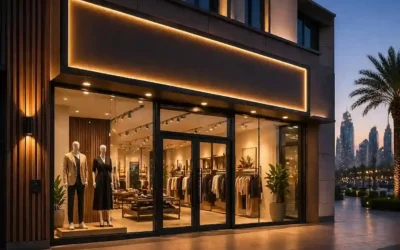
Retail success is not determined only by the products a store sells—it is also shaped by how comfortable customers feel while exploring those products. In jewellery retail, where purchases are emotional and often high-value, creating a welcoming and visually comfortable environment is essential. Customers who feel relaxed and visually engaged are far more likely to spend time inside a store, examine products closely, and ultimately make a purchase.
One of the most powerful tools for creating this experience is the jewellery display showcase. When thoughtfully designed, it does much more than hold products—it guides attention, reduces visual stress, and encourages customers to linger longer. For jewellery retailers looking to enhance store performance, understanding the role of visual comfort in retail design can make a significant difference.
What Is Visual Comfort in Retail?
Visual comfort refers to the way a retail space is designed so that customers can easily view products without strain, distraction, or confusion. It combines elements such as lighting, layout, color balance, spacing, and materials to create a calm and inviting atmosphere.
When visual comfort is achieved, customers experience several benefits:
- They can clearly see product details
- Their eyes naturally move from one product to another
- They feel relaxed rather than overwhelmed
- They spend more time browsing
In jewellery stores, where shoppers often take time to compare pieces, visual comfort plays a direct role in increasing engagement and purchase intent.
Why Customers Spend More Time Near Well-Designed Showcases
Many jewellery retailers notice that certain areas of their store attract more attention than others. Often, the difference lies in how those displays are designed.
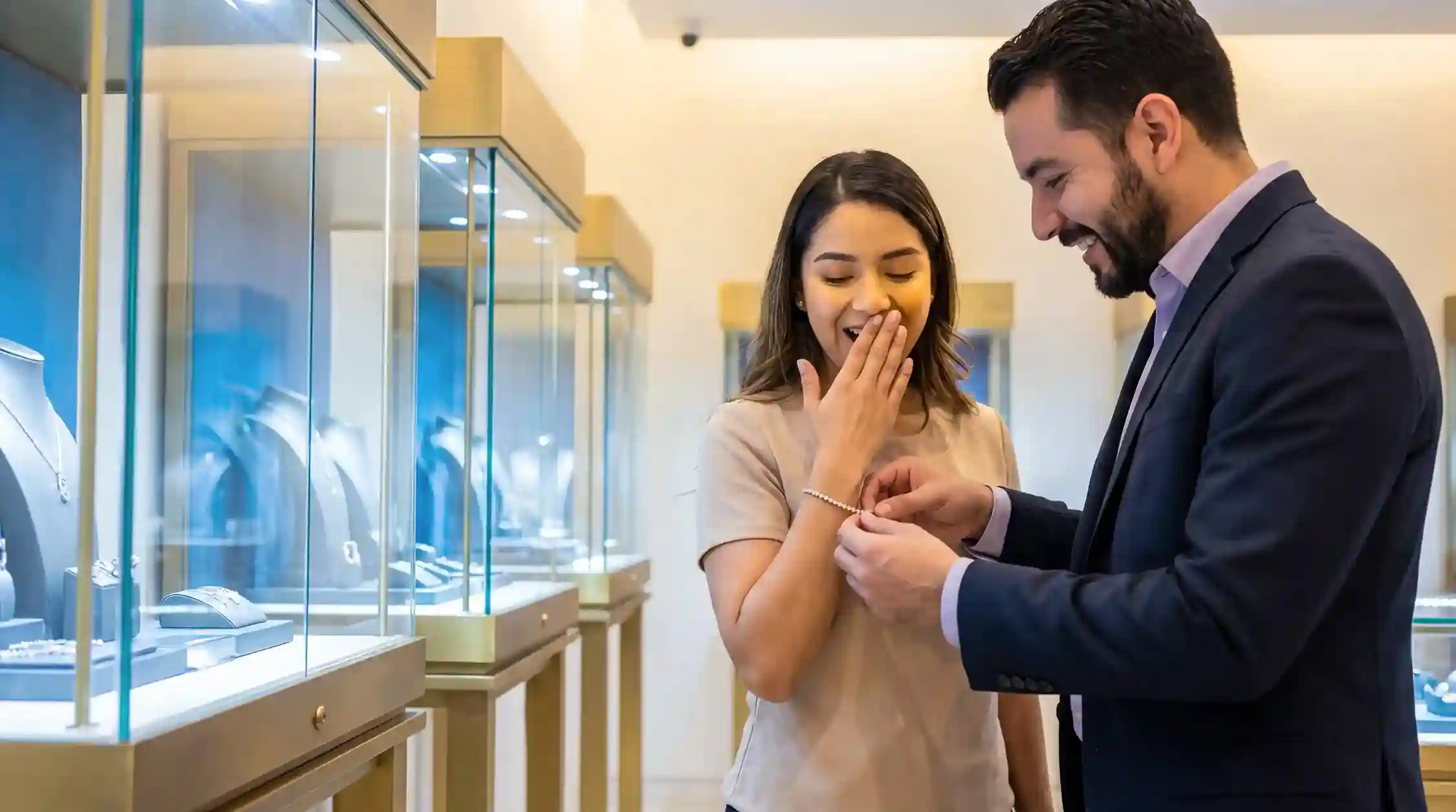
A well-planned jewellery display showcase encourages customers to pause and explore. Instead of quickly glancing and moving on, shoppers are drawn in by balanced lighting, organized layouts, and elegant materials that highlight the jewellery without overwhelming the eye.
Longer engagement has a direct impact on sales. When customers spend more time looking at jewellery, they build emotional connections with the pieces. This emotional engagement often leads to higher-value purchases and stronger brand recall.
Lighting: The Foundation of Visual Comfort
Lighting is one of the most critical components of jewellery display design. Poor lighting can create glare, shadows, or harsh reflections that make it difficult for customers to see the jewellery clearly.
Well-designed showcases use controlled lighting to enhance sparkle and detail without causing eye fatigue. Soft directional lighting allows gemstones and precious metals to shine naturally while maintaining visual comfort.
Proper lighting also helps guide the customer’s focus. Instead of overwhelming the display with brightness, strategic lighting highlights key pieces while maintaining balance throughout the showcase.
Balanced Layouts Reduce Visual Stress
Another important factor in visual comfort is layout. Displays that are overcrowded often confuse customers and reduce the perceived value of the jewellery.
When products are arranged with sufficient spacing, customers can easily focus on individual pieces. This approach creates a premium experience where every item feels special.
A structured layout also allows the customer’s eyes to move naturally across the display. Instead of searching for products, shoppers intuitively explore the collection. This subtle guidance increases browsing time and improves the overall shopping experience.
Retailers investing in thoughtful display design often work with experienced professionals who understand visual merchandising in Dubai and the expectations of luxury shoppers in competitive retail environments.
Materials That Enhance the Customer Experience
The materials used in jewellery displays also contribute to visual comfort. High-quality finishes, neutral tones, and refined textures create a calm backdrop that allows the jewellery to stand out.
Common materials used in premium showcases include:
- Velvet or suede for soft contrast
- Matte metals for modern elegance
- Neutral wood tones for warmth
- Glass with minimal framing for clarity
These materials prevent visual distractions and ensure the jewellery remains the center of attention.
The Psychology Behind Comfortable Displays
Visual comfort is closely linked to consumer psychology. When customers feel relaxed in a retail space, they subconsciously interpret the environment as trustworthy and high quality.
On the other hand, cluttered or poorly designed displays can create subtle discomfort. Even if customers cannot immediately explain why, they may leave the area more quickly or feel less confident about making a purchase.
Well-designed showcases create a sense of calm and sophistication. This emotional response encourages customers to slow down, explore the collection, and imagine themselves wearing the jewellery.
For jewellery retailers in highly competitive markets, working with experienced jewellery display manufacturers in Dubai ensures that display designs meet both aesthetic and psychological requirements.
The Connection Between Display Design and Sales
Retailers often invest heavily in advertising, promotions, and digital marketing to attract customers to their stores. However, if the in-store environment does not support a comfortable browsing experience, those marketing efforts may not convert into sales.
A thoughtfully designed jewellery display system acts as a silent salesperson. It presents products in the best possible way, communicates brand quality, and encourages interaction.
Customers who feel comfortable in front of a display are more likely to:
- Ask questions about products
- Request to try on jewellery
- Compare multiple items
- Spend more time in the store
These behaviors significantly increase the likelihood of a purchase.
Adapting Displays for Modern Retail Environments
Retail design continues to evolve as customer expectations change. Today’s jewellery stores must balance luxury aesthetics with practical functionality.
Modern display strategies often include:
- Modular showcases that allow seasonal updates
- Flexible lighting systems
- Minimalist layouts for clarity
- Displays designed specifically for social media visibility
These elements ensure that displays remain visually comfortable while supporting modern retail trends.
Jewellery retailers seeking to upgrade their store environments often collaborate with specialists who understand both product presentation and customer behavior.
For example, Pacio Group works closely with retailers to create custom display solutions that align with brand identity and improve in-store experiences. Their expertise in retail design helps businesses transform simple showcases into powerful merchandising tools.
Creating Memorable In-Store Experiences
In today’s competitive jewellery market, creating memorable shopping experiences is just as important as offering beautiful products. Displays that prioritize visual comfort encourage customers to stay longer, explore more deeply, and connect emotionally with the jewellery.
A thoughtfully designed showcase communicates quality before a salesperson even begins a conversation. It reflects the brand’s attention to detail and commitment to excellence.
When retailers combine strong display design with effective retail strategy, they create an environment where customers feel inspired to browse—and confident to buy.
Conclusion
Visual comfort is an often overlooked yet incredibly powerful factor in jewellery retail success. When customers feel relaxed and visually engaged, they naturally spend more time exploring displays, examining products, and imagining ownership.
A well-designed jewellery display showcase does more than present products—it shapes the entire shopping experience. From lighting and layout to materials and spacing, every detail influences how customers interact with the collection.
For jewellery retailers looking to enhance store performance, investing in professional display design and visual merchandising in Dubai can significantly improve both customer engagement and sales results. By creating displays that prioritize comfort and clarity, brands can transform ordinary store visits into memorable shopping experiences.