3D printing has transformed how businesses develop products, prototypes, and custom components. What once required months of manufacturing preparation can now be accomplished in days with the right technology and expertise. However, achieving the best results from a 3D printing project requires proper planning. From the initial idea to the final production stage, every step plays a role in determining the quality, efficiency, and cost-effectiveness of the outcome.
For businesses exploring 3d printing in Dubai, understanding how to structure a project from concept to production can help maximize the benefits of this innovative manufacturing method. With the right strategy and a reliable production partner, companies can move from idea to finished product with speed, accuracy, and confidence.
Start With a Clear Project Objective
Every successful 3D printing project begins with a well-defined objective. Before developing designs or selecting materials, businesses should identify the purpose of the printed part or product. Is the goal to create a prototype, test a concept, produce a functional component, or manufacture a small production batch?
Clarifying the objective helps determine important factors such as material selection, structural requirements, finishing quality, and production volume. For example, a visual prototype may prioritize appearance and detail, while a functional part must focus on durability and performance.
At this stage, collaborating with experienced providers offering professional 3D printing services can help refine your concept and ensure the project begins with the right technical direction.
Develop or Refine the Digital Design
Once the objective is clear, the next step is creating a digital design of the part or product. Most 3D printing projects begin with CAD (Computer-Aided Design) models, which provide the precise geometry required for printing.
However, designing specifically for 3D printing is different from designing for traditional manufacturing. Certain design adjustments can improve print quality, reduce material usage, and enhance structural performance.
Professional teams like Pacio Group often assist clients in optimizing their digital designs to ensure they are compatible with the selected printing technology. This process may include adjusting wall thickness, adding support structures, or modifying geometries to ensure successful production.
For businesses without existing design files, 3D modeling services can convert sketches, references, or physical components into printable digital formats.
Choose the Right Material for the Application
Material selection is one of the most important decisions in any 3D printing project. Different materials provide different mechanical properties, visual finishes, and performance capabilities.
Depending on the project’s requirements, materials may need to offer:
- High strength and durability
- Lightweight structural support
- Heat or chemical resistance
- Flexible or impact-resistant characteristics
- Smooth surface finishes for display or presentation
Selecting the correct material ensures that the final product performs as expected in real-world conditions. Experienced 3d printing companies in Dubai typically guide clients through this process by recommending materials that match both the functional and aesthetic needs of the project.
Create a Prototype for Testing
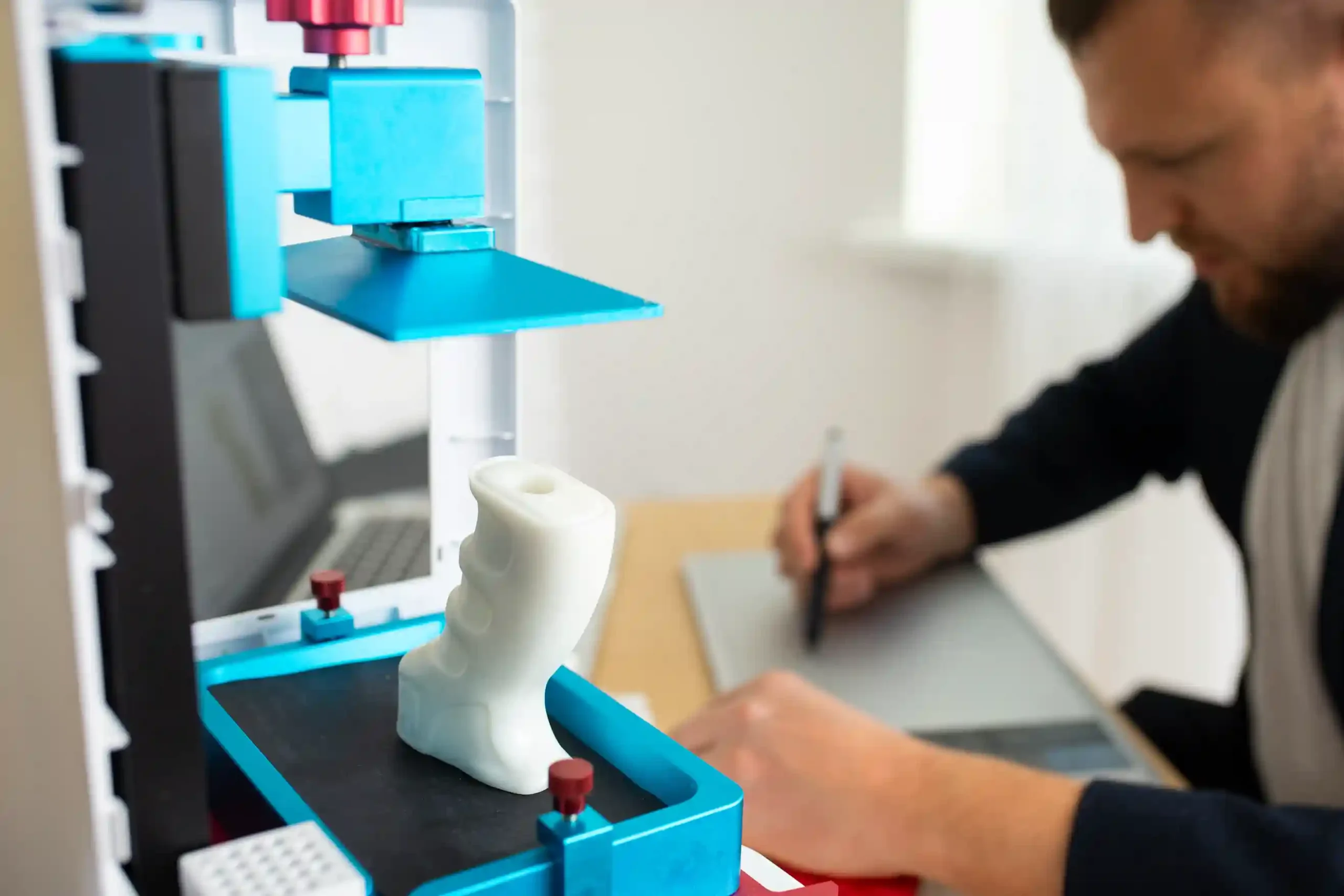
Before moving directly into production, many businesses create prototypes to test their designs. Prototyping allows teams to evaluate size, fit, usability, and visual appeal before committing to a larger production run.
This stage often reveals opportunities for improvement. Adjustments to structure, ergonomics, or design details can be made quickly before final production begins.
Rapid prototyping is one of the biggest advantages of modern 3D printing technology. Businesses can move through multiple design iterations quickly, significantly reducing development time and minimizing costly mistakes later in the process.
Pacio Group supports clients through this stage by producing high-quality prototypes that accurately represent the final product.
Optimize the Design for Production
Once the prototype is tested and refined, the design can be optimized for full production. This step focuses on improving efficiency, ensuring consistent quality, and preparing the file for scalable printing.
Production optimization may include strengthening critical areas, reducing unnecessary material usage, or adjusting print orientation to improve structural performance. These changes ensure the final product is both durable and cost-effective.
Experienced engineers often analyze designs carefully before production begins to avoid potential issues that might arise during printing or post-processing.
Plan the Production Process
With the final design ready, the project moves into the production phase. At this stage, several technical factors must be managed, including printer configuration, layer resolution, material settings, and build orientation.
Professional 3D printing facilities use advanced equipment capable of producing precise and consistent parts. Quality control procedures also ensure each printed component meets required specifications.
Working with a trusted partner like Pacio Group ensures that your project benefits from both advanced technology and experienced production oversight. Our team manages every step of the manufacturing process, allowing clients to focus on their core business while we handle technical execution.
Post-Processing and Finishing
After printing is complete, parts may require post-processing to achieve the desired appearance or performance. Depending on the application, this can include cleaning, sanding, polishing, painting, or assembly.
Post-processing enhances both the visual quality and durability of printed components. For presentation models, architectural elements, or consumer-facing products, finishing techniques can significantly improve the final appearance.
At Pacio Group, post-processing is handled with the same attention to detail as the printing process itself, ensuring each piece meets professional standards.
Scaling From Prototype to Production
Many businesses start with a single prototype but later expand their project into larger production volumes. One of the advantages of 3D printing is the ability to scale gradually without major infrastructure investment.
Small production batches allow companies to test markets, launch limited-edition products, or fulfill specialized orders without committing to large manufacturing runs. As demand grows, production volumes can increase while maintaining consistent quality.
This flexibility is particularly valuable for startups, product designers, and companies developing innovative solutions.
Why Businesses Choose Pacio Group
Planning and executing a 3D printing project involves many technical decisions, from design optimization to material selection and production management. Partnering with an experienced provider ensures each stage runs smoothly and efficiently.
Pacio Group offers comprehensive support for businesses seeking reliable and high-quality 3D printing solutions. Our team works closely with clients to transform ideas into tangible products, guiding them through concept development, prototyping, and production.
With advanced equipment, skilled technicians, and a commitment to precision, Pacio Group helps businesses unlock the full potential of modern 3D printing technology.
Final Thoughts
A successful 3D printing project is the result of careful planning, technical expertise, and a clear understanding of the final goal. By following a structured process—from concept and design to prototyping and production—businesses can achieve faster development cycles, reduced costs, and improved product performance.
For companies looking to bring their ideas to life, professional 3D printing offers an efficient and flexible path from concept to reality. With the right strategy and the right production partner, even the most ambitious projects can move from digital design to physical product with remarkable speed and precision.
Pacio Group’s 3D printing services are designed to help businesses turn innovative ideas into real-world solutions, making advanced manufacturing accessible, reliable, and scalable.